

Staying Warm This Winter: A Guide for Older People in Newcastle and Tyneside
By Chloe Briggs · 6 November 2026
Heat the rooms you use to at least 18°C, wear thin layers, have a hot meal and regular hot drinks every day, keep moving, and claim any help with bills you're owed. If the heating's off, make one room warm and stay in it.
Why staying warm matters more as we get older
Cold weather raises blood pressure and thickens the blood, which is why heart attacks, strokes and chest infections all climb in winter. The NHS advice is to keep the rooms you use regularly at 18°C or more, and that matters most for older people and anyone with a health condition.
Older people also feel the cold less. Someone can be sat in a 14°C living room and say they're fine, so families and carers often notice a cold house before the person living in it does.
How to keep warm in winter: small daily habits
Most advice on how to keep warm in winter is simple, and it works:
- Wear several thin layers rather than one thick one, plus warm socks indoors
- Eat at least one hot meal a day, and keep the hot drinks coming
- Get up and move about every hour, even if it's just to the kitchen
- Use a hot water bottle or an electric blanket in bed, never both
- Keep bedroom windows closed at night
A warm bed matters as much as a warm living room, because the temperature drops furthest in the small hours.
How to keep house warm in winter
Plenty of people ask us how to keep house warm in winter without the bills running away. Small changes add up:
- Close the curtains at dusk and open them when the sun's out
- Fit draught excluders to doors and the letterbox
- Keep radiators clear of furniture and washing
- Heat the rooms you use, not the whole house
- Set the timer so the house is warm when you get up and before bed
- Get the boiler serviced before the cold really bites
If you rent, your landlord is responsible for keeping the heating in working order, so report a faulty boiler straight away.
How to keep warm without heating
Boilers break, and some people can't afford the heating on all day. Knowing how to keep warm without heating is a safety skill, not a luxury:
- Pick one room, shut the doors and keep it warm with layers, blankets and a hot water bottle
- Keep eating and drinking hot things
- Keep moving, every hour
- Use a warm space. North Tyneside Council opens free Warm Welcome venues across the borough each winter, with free hot drinks and no booking, South Tyneside runs Welcoming Places, and Newcastle and Gateshead have similar schemes.
Check what you're owed. The Winter Fuel Payment is paid automatically in November or December to most people of State Pension age, and your energy supplier can add you to the Priority Services Register if you're older or unwell. If your income is over £35,000, HMRC will take the payment back through your tax code.
How our carers help with staying warm
Our carers visit people in their own homes across Newcastle, North and South Tyneside, Gateshead, Ponteland and parts of Northumberland (see all areas we cover). In winter, staying warm is part of every visit. They'll notice if the house is cold, check the heating's on, make a hot meal or a cup of tea during a personal care or companionship call, and fill a hot water bottle before they leave. Night care covers the coldest hours. Our free Thrive Clubs are a warm, friendly place to spend a Tuesday morning.
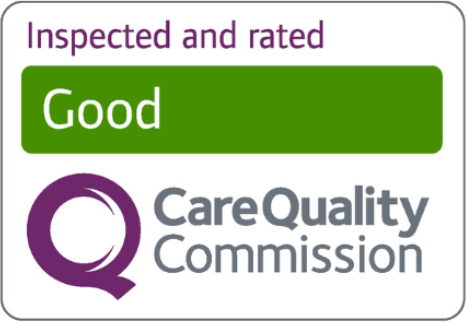
We're rated Good by the Care Quality Commission, and our guide to home care costs in Newcastle explains how we price visits.
Talk to us
If you're worried about a parent or a neighbour staying warm this winter, call us on 0191 429 2800 or fill in our Arrange Care form, with no obligation.